
Social isn’t just a marketing tool – it’s a business intelligence engine
Let’s be honest, most businesses still treat social media like a digital noticeboard. Post the latest offer. Share a nice photo. Maybe chuck in a behind-the-scenes Reel if there’s time. And sure, that kind of content has its place. But the businesses that are really getting ahead?
They’re doing something different.
They’re using social media not just to talk – but to listen.
Because in 2025, social isn’t just a place to push content.
It’s a goldmine of real-time customer feedback, market research, and audience insight that can shape your entire business.
And yet most businesses are barely scratching the surface.
From marketing channel to business intelligence engine
Here’s what I want more SMEs to understand:
Social media isn’t just about visibility. It’s about clarity.
When you pay attention to what people are saying in your comments, DMs, reviews, or even what they’re not engaging with, you get a direct line into their experience.
You might spot:
- Repeated confusion about a product or service
- Love for a feature you didn’t think was a big deal
- A common objection that’s slowing down sales
These aren’t just “marketing things”. They’re business-critical signals.
“Social media is no longer just an awareness lever. It’s a measurable driver of revenue, loyalty, and decision-making.”
~ 2025 Sprout Social report
Yet social data is still siloed – usually stuck inside the marketing team.
Imagine the potential if those insights were shared with:
- Your customer service team (to pre-empt FAQs and issues)
- Your product development team (to build what people actually want)
- Your PR team (to monitor brand sentiment or competitor buzz)
- Your sales team (to identify leads already warmed up via social)
Did you know: only 58% of leaders say customer service or success teams have access to social insights?
That’s a massive missed opportunity.
When social feeds business strategy…
Here’s how some brands – big and small – are using social media to power business decisions:
Glossier – product development via community feedback
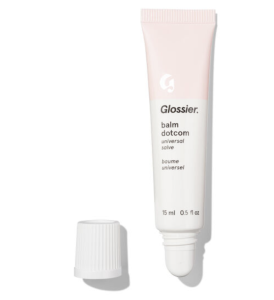 Glossier’s story is a case study in the power of community-led product development. In 2023, they launched a reformulated, vegan version of their cult-favourite Balm Dotcom – complete with a new applicator. But fans weren’t happy. Many complained it didn’t hydrate as well and missed the original texture and cherry flavour. Glossier listened, and by 2024, they brought the original balm formula – and flavours – back, acknowledging that community feedback matters more than trend-chasing. The return to the original won back fans and their trust.
Stew Leonard’s – trend spotting via social to fuel product innovation
This innovative Connecticut grocer has become known for turning viral TikTok food trends into real-life products. From rainbow bagels to cronuts and even a Dubai chocolate bar (piloted in Norwalk before expanding), Stew Leonard’s lets social signals guide in-store experiments and often sees them succeed.
Big brands that centralise social insight
Top-tier brands like Chick-fil-A, Starbucks, and McDonald’s don’t treat comments as noise. Through social listening tools, they monitor trends, customer concerns, and shifting sentiment and feed insights into decision-making across marketing, operations, product innovation, and PR.
The Original Tamale Company – from AI script to viral footfall 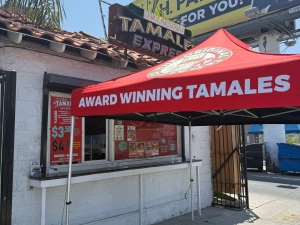
A small LA tamale shop turned heads when they used an AI-written script to create a playful TikTok video. It went viral – 22 million views later – and customers lined up in person. It’s a brilliant reminder: sometimes, taking a creative risk informed by trend insight can drive real-world results.
What these examples teach us
- Glossier shows the importance of listening even to what loyal fans say when change hurts.
- Stew Leonard’s demonstrates how small businesses can experiment fast and smart, guided by social trends.
- Major brands prove social data isn’t just marketing – it’s cross-functional intelligence.
- A tiny LA tamale shop shows that taking a trend-informed creative leap can lead to remarkable impact.
Each one reinforces your message: social isn’t a megaphone – you can use it as a mirror, early warning system, and growth engine.
How to use social insights beyond marketing
It doesn’t matter that you are not a global brand with millions of followers
The principle works exactly the same for smaller businesses and arguably makes an even bigger impact when resources are tight.
Use social insights to:
✔️ Help product teams validate offers with real feedback
✔️ Equip customer service to spot and solve recurring issues
✔️ Enable PR and marketing to catch trends (or warning signs) early
How to start listening like a strategist
You don’t need a huge budget, a data analyst, or an enterprise-level dashboard to do this.
What you do need is a habit – a simple, repeatable way to capture what your audience is already telling you, and turn it into something useful.
Because whether you’re running a busy café, managing a retail team, or juggling social alongside everything else – there’s insight hiding in your DMs, your comments, and your content performance.
The key is spotting patterns, tracking what matters, and sharing it in a way that helps your whole business move smarter.
That’s where a simple “Social Insights Roundup” comes in.
Suggested format:
| Section | What to Include |
| Top themes/questions | “Lots of people asking about delivery timelines” |
| Common feedback | “Positive comments on new packaging design” |
| Notable sentiment | “Spike in frustration after a service delay” |
| Competitor mentions | “Rival brand just launched a similar product” |
| Action ideas | “Could turn FAQs into pinned highlight/blog post” |
Keep it simple – plain-English summaries, quick links, and clear “so what?” takeaways.
Pop it into a shared Gdoc or email, tag the team, and watch how quickly this becomes your most valuable monthly resource.
The goal isn’t more data. It’s better visibility.
You don’t need fancy tools – you need a better lens
You don’t need a six-figure analytics dashboard to make this work.
Start with what you already have:
- Polls or questions in Stories
- Post comments or replies
- Email replies or common DMs
- DMs and live chat transcripts
- Google reviews or live chat transcripts
Then look for:
- Repeat questions or objections
- Unexpected praise or confusion
- Language your customers actually use (great for copywriting!)
This is your insight engine. It’s sitting right under your nose.
This is the shift: from doing social to leading with it
Too often, social media is treated as the last step in a marketing campaign.
But in reality, it should be one of the first places you look for answers.
Let it:
- Shape your messaging
- Inform your customer experience
- Validate your offers and services
- Reveal gaps you didn’t even know existed
When you stop treating social like a megaphone and start treating it like a mirror, everything changes.
Final Thought: The opportunity most brands are missing
While others scramble to keep up with trends, edit Reels to death, or chase the algorithm…
You can get smarter.
✔️ Smarter about what your customers actually want
✔️ Smarter about how you show up
✔️ Smarter about where to focus next
That’s not just good marketing.
That’s good business.
💬 Want to make social data your secret weapon?
I help SMEs to turn social media into a strategic tool that informs, converts, and earns its keep.
Get the free Social Insights Roundup Template – your one-page monthly system for turning DMs, comments and content into smart, strategic action.
Includes a plug-and-play format, real examples, and tips to help you spot patterns, share insights, and make social work across your business.